District & charter partnerships · Grades 1–12
Hands-on STEAM
for districts & charters
STEAM enrichment that gives elementary, middle, and high school students something to build, explore, and share.
Teach Me Technology partners with school districts and charter schools to deliver after-school, summer, and in-school learning shaped around your students and your goals.
Based in Bakersfield · Welcoming district and charter partnerships across California and in Las Vegas and Nevada.
Available through charter school partnerships as well as district programs.
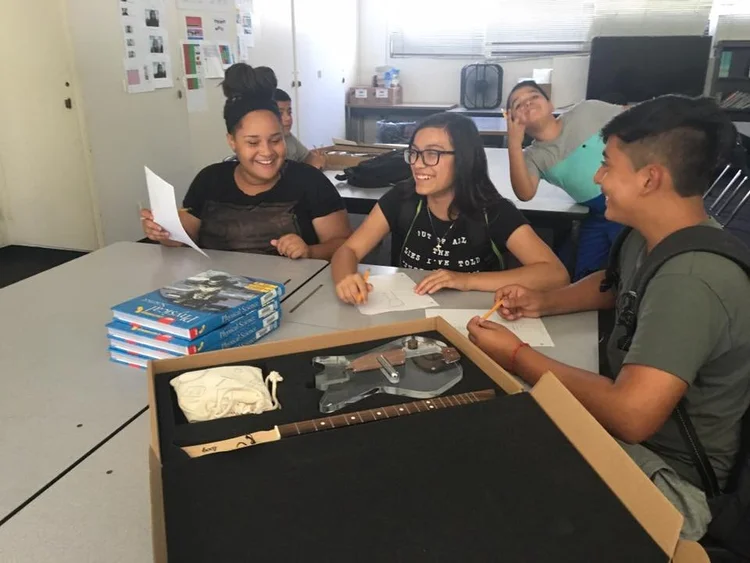
A starting point for every stage
First grade through high school.
We adapt the level of guidance, challenge, and independence with your district. Program selection and grade suitability are confirmed during planning.
Elementary explorers
Guided discovery, hands-on making, and teamwork. Students ask questions, try ideas, and explain what they notice.
Projects to discuss: simple robot challenges, creative builds, and observation-based investigations.
Middle school makers
More independent design, testing, and collaboration. Students connect creative projects with technical skills.
Projects to discuss: game prototypes, flight-design challenges, and CSI evidence explanations.
High school innovators
Deeper projects with planning, documentation, responsible technology use, and career exploration.
Projects to discuss: coding prototypes, AI-assisted media, and engineering or forensic presentations.
Explore the possibilities
A world of learning. A program for your district.
Explore technology, media, science, arts, movement, and practical skills. We shape the activities and delivery around your students, grade levels, and goals.

Build · Test · Discover
STEM & Technology
Put curiosity to work through technology, design, and hands-on problem-solving.
Include this in your district plan →
Imagine · Create · Communicate
Digital Media & Visual Arts
Give students a creative way to tell stories, express ideas, and explore how media is made.
Discuss a media program →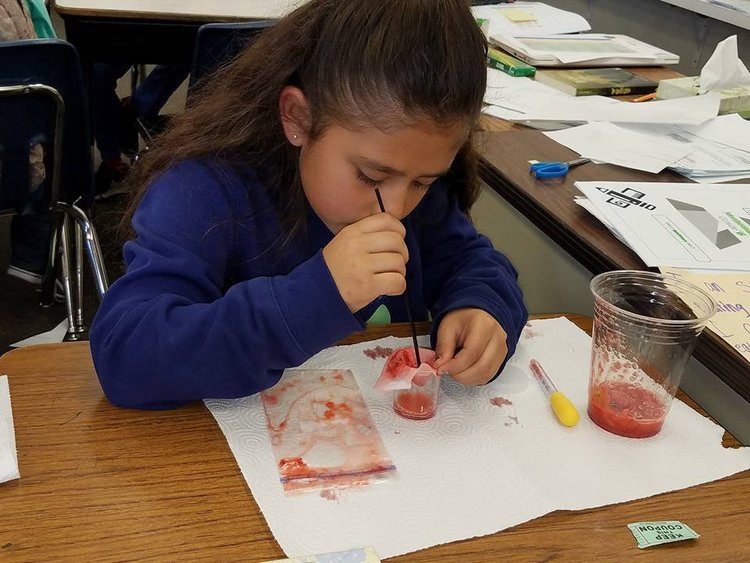
Observe · Investigate · Explain
CSI & Forensic Science
Turn questions into investigations through age-appropriate scientific activities.
Include this in your district plan →See how we check learning →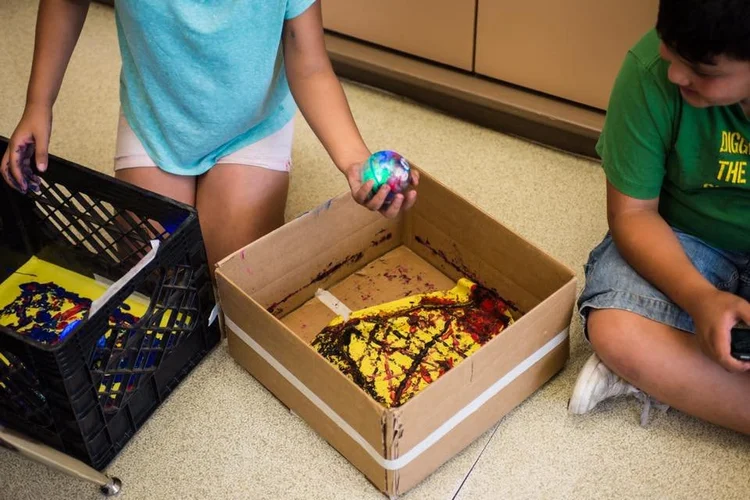
Make · Experiment · Express
Creative Making & Arts
Bring engineering and artistic expression together through projects students can shape with their own hands.
Include this in your district plan →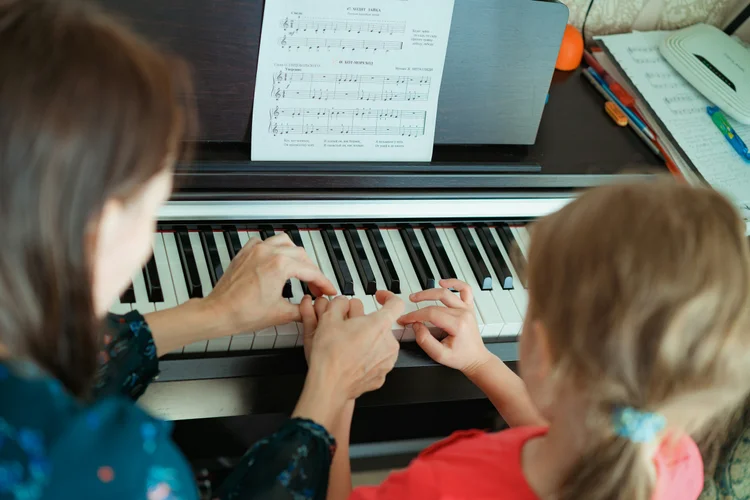
Rhythm · Movement · Confidence
Performing Arts & Movement
Create opportunities for participation, teamwork, and creative expression through music and movement.
Include this in your district plan →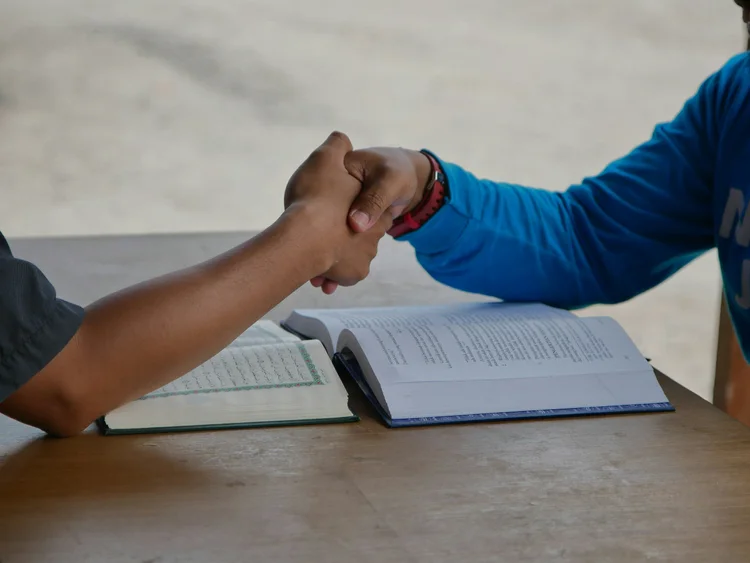
Connect · Collaborate · Grow
Life Skills & Leadership
Connect practical learning with communication, planning, and positive relationships.
Include this in your district plan →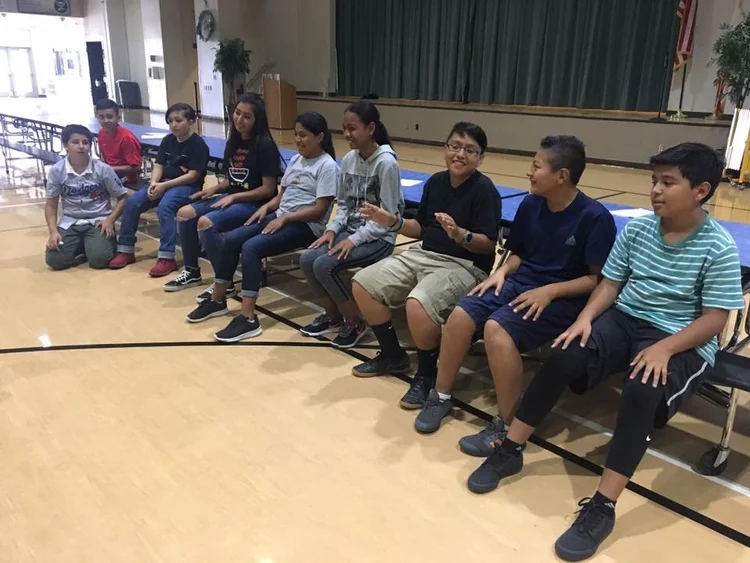
Move · Participate · Play Together
Sports & Wellness
Give students another way to participate, practice skills, and connect with their peers.
Activities, grade levels, equipment, and space requirements are confirmed with your district.
Discuss a sports program →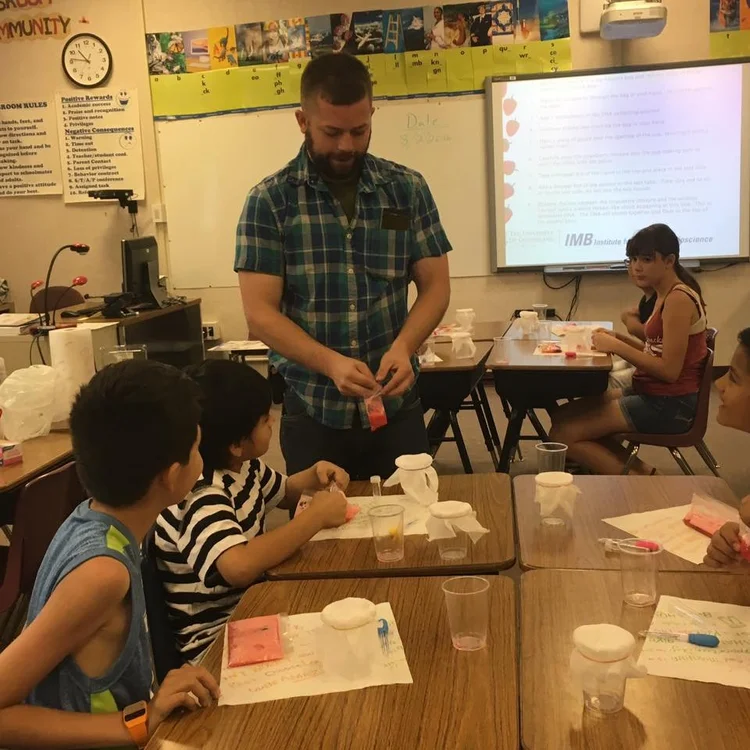
Practice · Progress · Build Confidence
ELA & Math Tutoring
Support district-identified academic needs through focused instruction and practice.
Include this in your district plan →Program selection, age suitability, materials, equipment, facilities, and instructional scope are confirmed in your district proposal. School programs are delivered through school district and charter school partnerships.
Voices from the programs
Different experiences.
Meaningful feedback.
Selected comments from site staff show how students experienced aviation, creative arts, and enrichment. Each perspective comes from a specific program and point in time.
Aviation · BCSD
“The program is well thought out and students really enjoy learning about Aviation.”
Pottery · Grow Academy Arvin
“scholars had a lot of fun getting into the art of pottery.”
Enrichment · Delano
“I feel this program is very helpful and educational for the children.”
Selected staff survey excerpts describe individual program experiences; they are not a summary of all survey responses.
Across our student programs
Student learning & program results.
What did students learn? What did they create? What did they think? We bring these questions together through program-specific assessments, student work and feedback.
Check understanding
Compare the same students’ starting knowledge and end-of-program understanding using the assessment for that course.
Look at the work
Projects, demonstrations and rubrics add context to written assessments and help make applied skills visible.
Listen to feedback
Student and site-staff surveys help us understand engagement, instruction and opportunities to improve.
Examples from our assessment materials
Different programs. Relevant learning measures.
Each program measures its own learning goals. These examples show the breadth of our assessment approach.
Robotic Art
Programming, time, speed and distance, with challenges including a triangle, Morse code and a final maze project.
Assessment format: pre/post forms with six lab performance fields.
What Are the Chances?
Probability, fairness and how students explain the relationship between chance and the rules of a game.
Assessment format: four-question pre/post learning check, supported by reflection and rubric materials.
Healthy Eating / Cooking for Fun
Food groups, MyPlate and identifying food choices, with a separate assessment version for first and second grades.
Assessment format: program-specific pre/post questions adapted to the learner group.
CSI Forensics
Investigation terminology, physical evidence, misleading clues and the role of science in solving a crime.
Assessment format: four-question pre/post learning check.
STEM learning · Assessment example
Learning growth, before and after.
Pre- and post-program learning checks help us track student understanding. This example compares average recorded scores from matched pre- and post-program assessments.
Average increase: +2.33 points out of 4.
One assessment example; results vary by program and group.
About this assessment example
This comparison uses instructor-recorded scores on the same four-question learning check. Only paired assessments meeting the matching and record-quality criteria were included. Records without a reliable match or usable assessment sequence were excluded.
Averages and the change are rounded to two decimals. Scores were transcribed from instructor markings, not independently rescored. This example describes the matched records only; it is not an average across TMT programs or proof that the program alone caused the change. Student-level records remain private.
Learning checks that fit your program.
We agree on learning goals and appropriate measures with your district. Different programs use different assessments; their scores are reported separately.
The program cards above illustrate our assessment approach. The score comparison provides one example of a pre/post learning check. Program feedback is reported separately from learning scores.
Start with your learning goals.
Let’s define the measures and reporting that will be useful to your district.
Designed around your district
A clear plan from the start.
01 / DISCUSS
Start with your students.
Share grade levels, sites, learning priorities, dates, and estimated group sizes. Identify accessibility and language-support needs.
02 / DEFINE
Agree on the scope.
Confirm program choices, staffing, session length, materials, equipment, site responsibilities, and the delivery format in writing.
03 / DELIVER & REVIEW
Keep the goals visible.
Coordinate implementation and agree on participation records, student work, or other reporting that fits your district’s needs.
After school, summer, or in school
Plan recurring enrichment, summer and intersession experiences, or district-arranged classroom learning. On-site, virtual, and hybrid formats depend on the activity and age group.
California district teams can use our ELO-P and ASES planning guide to connect program choices with delivery planning and their district’s funding review.
Educators and industry experience
Our team connects teaching with professional practice. Bilingual support and instructional needs are discussed during planning.
Explore our collective expertise →Attendance Accelerator™
Connect engaging enrichment with your district’s broader attendance strategy, with agreed measures and realistic expectations.
Explore Attendance Accelerator →Teacher Professional Development
Help staff connect practical technology and STEAM learning with classroom priorities.
Explore professional development →Parent University
Family engagement through adult technology and cybersecurity learning arranged by school districts and charter schools. Explore the documented BCSD Parent University programs.
Explore Parent University →Impact Partnership Framework™
Discuss coordinated program planning, implementation, and reporting around your district’s priorities. Scope and responsibilities are defined together.
Explore the partnership framework →District planning questions
How are schedules, group sizes, and materials determined?
We define these in the proposal for your selected activities and grade groups. The scope identifies session length, number of sessions, staffing, materials, equipment, and any district responsibilities.
Can California districts discuss expanded-learning funding alignment?
Yes. We can discuss ELO-P and ASES program alignment, LCAP goals, and Community Schools priorities. Districts determine eligibility, allowable costs, and procurement requirements. California funding programs do not apply to Nevada.
Do enrichment programs award industry certifications?
Enrichment does not automatically confer an industry credential. Any high school certification preparation must be separately scoped, with the credential, requirements, and assessment clearly identified.
How do families participate?
School programs are contracted through school districts and charter schools. Families should contact their school or district for participation information. Teach Me Technology does not operate a public teaching center or direct school-program enrollment location.
Let’s build the right program
What do you want your students to discover?
Share your district, grade levels, sites, program interests, and preferred dates using the form below.
Plan a district or charter program
District and charter leaders: tell us your grade levels, sites, program interests, and preferred dates.
School programs are contracted through school districts and charter schools. Families should contact their school or district for participation information.
Phone
(866) 274-0336
Email
info@teachmetechnology.org
Business address
13061 Rosedale Highway, Suite G-558
Bakersfield, CA 93314
This is not a teaching center or enrollment location.
Join the conversation.